PMI · Application

Positive Material Identification (PMI)

Quick, non-destructive composition analysis. XRF for most alloys, OES for carbon-bearing steels, LIBS for the lightest elements.

Positive Material Identification (PMI) is a quick, non-destructive analysis technique to determine the composition of materials — especially alloys and crystalline structures. There are three main PMI techniques used to measure product and determine the constituents of materials.
Techniques

Methods used in PMI

XRF

X-Ray Fluorescence

  • Metal alloy verification
  • Lead paint analysis
  • Soil contaminant screening
  • Scrap metal sorting
OES

Optical Emission Spectrometry

  • Carbon content measurement (low-level C)
  • Steel grade verification
  • Detecting elements XRF can't see (Be, Li, B)
LIBS

Laser-Induced Breakdown Spectroscopy

  • Lightest-element detection (H, Li, Be, B, C)
  • Carbon equivalency for weld procedures
  • Field alloy verification with no radiation source
Equipment

Tools we deploy for PMI

Full PMI catalog
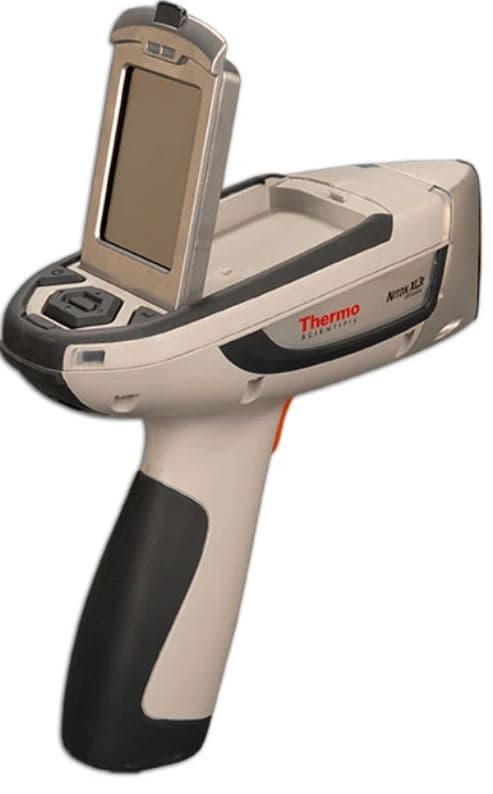
Thermo Scientific Niton XL3t

Thermo Scientific

Thermo Scientific Niton XL3t
Thermo Scientific Niton XL2 980 GOLDD

Thermo Scientific

Thermo Scientific Niton XL2 980 GOLDD
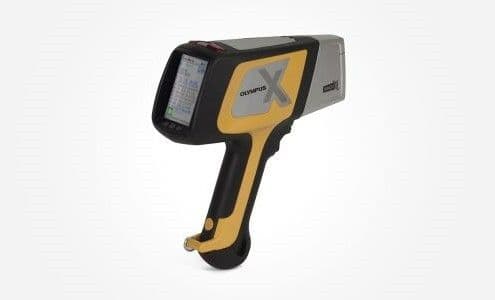
Olympus DELTA Professional

Olympus

Olympus DELTA Professional

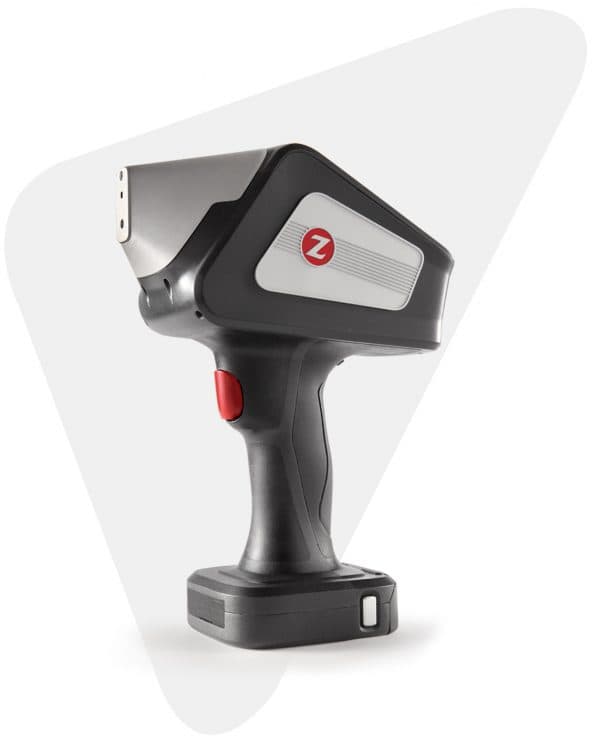
SciAps Z-Series Handheld LIBS

SciAps

SciAps Z-Series Handheld LIBS

Sectors

Industries served

  • Oil & Gas
  • Refining
  • Power Generation
  • Aerospace
  • Manufacturing
  • Scrap & Recycling
Need it tomorrow?

We probably have it on the shelf — calibrated and ready to ship.

Call the warehouse directly or send us a quote request and we'll come back same-day with pricing and ship dates.